How to Choose the Right Hot Air Balloon Experience in Barcelona
Choosing a hot air balloon experience in Barcelona starts with a simple shift in thinking: the best option is not always the one with the most dramatic photos. It is the one that matches your schedule, your comfort level, your group, and the way balloon flights actually work. Weather, launch timing, meeting points, basket size, and what happens if conditions change all matter more than a glossy picture.
The focus keyword for this topic points to a practical decision, not a generic souvenir. A balloon outing near Barcelona is part outdoor adventure, part early morning planning, and part trust in experienced operations. The more clearly you understand the process before booking, the easier it is to spot a good fit and avoid a disappointing mismatch.
Start with the kind of experience you want
Before comparing providers or packages, decide what kind of outing suits you. Some people want a quiet dawn flight with wide views and a calm pace. Others want a fuller morning that includes a celebratory drink or a chance to enjoy the countryside after landing. Both can be enjoyable, but they suit different expectations.
Think about the purpose of the trip. Is it a special occasion, a first balloon flight, a family outing, or a peaceful way to see the landscape from a new angle? If the day revolves around a celebration, a flight with a champagne toast may feel like a natural fit. If the day is planned around a tight train schedule or a later city activity, a shorter, simpler morning may be wiser.
Also consider who is coming. Children, older travellers, and people who dislike early starts may need a different plan from a group of friends happy to meet before sunrise. Ballooning rewards patience, so the right choice depends on whether the group can accept a flexible timetable.
Check the launch area and travel logistics
Barcelona is a city, but balloon flights usually depend on open countryside where a basket can lift and land safely. That means the meeting point may not be beside the main city centre. Read the location details carefully and work out how you would get there, especially if the start time is before public transport is running at its usual frequency.

A short flight can feel much longer if the transfer is confusing. Look for clear directions, a precise meeting point, and an explanation of how participants reach the launch area. If transport is included, check whether it is from a central location or from a specific stop. If it is not included, consider whether a taxi or rental car makes the morning easy or stressful.
Do not judge a balloon trip only by its distance from Barcelona. A slightly longer transfer can still be worthwhile if it opens up better flying conditions and a less crowded launch area. The trade-off is time and certainty. Choose the option that fits your ability to arrive on time and your tolerance for an early, structured morning.
Read what the flight actually includes
This is where many assumptions go wrong. A balloon ride is shaped by wind, temperature, and available daylight, so the exact route and duration can vary. A responsible description should explain what is included without promising a fixed path through the sky. Look for details on the flight time, total time from meeting to finish, whether transport is arranged, and what happens after landing.
One useful way to compare options is to separate the airborne part from the whole experience. A balloon may be in the air for a limited period, while the full outing can include check-in, transfer, setup, flight, packing away, and a social moment afterward. If someone only reads the headline flight duration, they may misjudge the size of the morning.
A balloon ride barcelona can be a good choice when the description is honest about timing and conditions. Clear wording is often a better sign than grand language. If the details feel vague, ask what is included before paying attention to any decorative extras.
Understand how weather affects the day
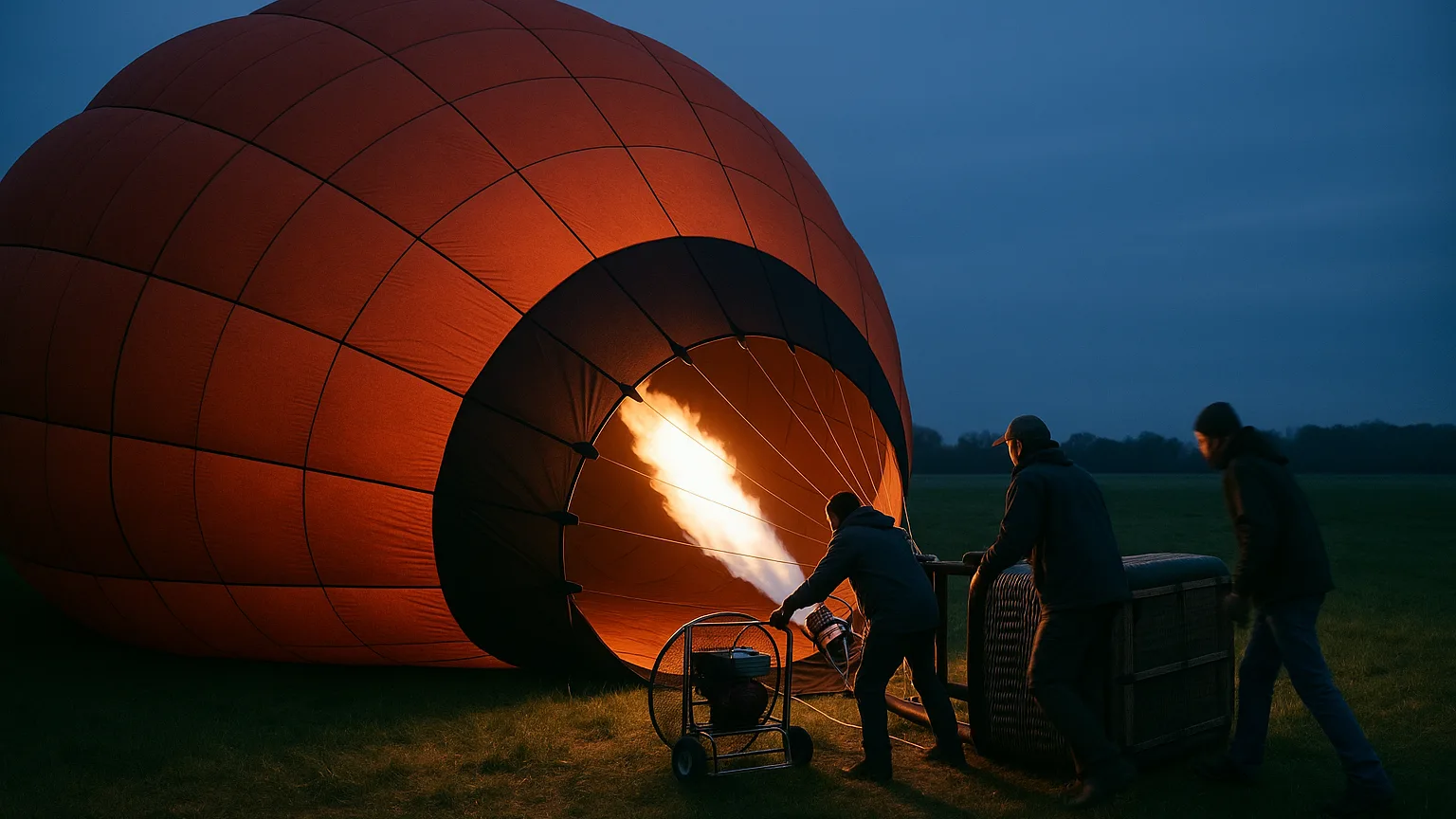
Ballooning is not like booking a seat at a fixed attraction. The envelope, burner, basket, and propane tank all have a role in a controlled flight, but the balloon still moves with the wind. That is why operators watch dawn conditions closely. Calm, stable mornings are generally preferred, while strong or shifting winds can make a launch unsafe.
Variable winds are one of the main reasons schedules change. A balloon does not steer like a car. The pilot manages height, uses the wind at different levels, and chooses landing conditions with care. This is part of the appeal, but it also means the route cannot be guaranteed in the way a walking route or bus tour can.
When comparing options, look for a clear policy on poor weather. A good plan should say what happens if the flight is delayed or cancelled, whether another date is offered, and how communication works. A vague promise of a great experience regardless of conditions is less reassuring than a practical explanation of how safety decisions are made.
Look at the pilot and operating standards
The pilot is central to the quality and safety of a balloon flight. Experience matters, but so does judgement. A careful pilot reads conditions, explains the basics to passengers, manages the burner and vent during the flight, and stays alert to landing options. The altimeter and other instruments support those decisions, but they do not replace sound judgement.

You do not need technical knowledge to ask good questions. Find out whether flights are run by a qualified pilot, how passengers are briefed, and what the plan is if conditions change on the morning. The answer should be direct and easy to understand. If a description focuses only on views and celebration, with little mention of safety or pilot control, treat that as a gap.
Another point to check is the size of the group. A smaller basket can feel more personal, but space matters. Passengers should be briefed on where to stand, how to hold on, and what to expect during inflation and landing. Crowding can make an otherwise beautiful morning uncomfortable, especially for people who are nervous about heights.
Compare value, not just headline appeal
Price is a natural part of any decision, but it should not be the only measure. A lower headline figure may leave out transport, a post-flight meal, or a clear rescheduling policy. A higher one may include a smoother morning and better communication. The aim is to understand what you are buying, not to hunt for the shortest possible description.
Read inclusions line by line. Does the experience include a transfer to the launch area? Is there anything after landing? Are there restrictions on age, height, health, or mobility? Are passengers asked to arrive well before launch? These details may seem dull, but they shape the day far more than a dramatic banner image.
A balloon ride barcelona is worth comparing on clarity as much as on features. If the terms are easy to find and the sequence of the morning makes sense, that is a useful sign. If important points are hidden or brushed over, the experience may feel disorganised even before take-off.
Match the timing to your wider plans
Balloon flights often begin early because the air is usually more stable and the light is soft. That can be magical, but it also affects the rest of the day. Plan around the full morning rather than the flight alone. Leave room for a late breakfast, a slow return to the city, and the possibility that the schedule shifts.
Avoid stacking too many fixed activities immediately afterward. If a flight runs later than expected, a tightly packed itinerary will turn a calm experience into a rush. This is especially true for travellers with train tickets, airport transfers, or pre-booked tours.
Packing also helps. Bring layers, since the start can feel cool before the sun is fully up. Wear flat, practical shoes for uneven ground. Leave bulky bags behind if possible. Sunglasses are useful once the sun rises, and a fully charged phone matters more for directions and updates than for photos.
Ask a few focused questions before booking
A short exchange can reveal a lot. The goal is not to interrogate anyone, but to confirm the practical points that affect your day. Clear answers usually point to a well-run experience.
- Where exactly should participants meet, and how early?
- Is transport included, and where does it return after landing?
- What happens if wind or rain prevents the flight?
- How long is the whole morning from check-in to finish?
- Are there age, health, mobility, or group-size limits?
Pay attention to how those questions are answered. Specific information is more useful than reassurance. If the response explains the sequence of the morning and the decision points around weather, you can plan with confidence. If it avoids details, keep comparing.
Make the final choice with a calm head
By the time you choose, the decision should feel practical rather than rushed. Pick the option with a clear meeting point, sensible transport, a qualified pilot, honest weather terms, and inclusions that match what you want from the morning. The views are important, of course, but they are only one part of the experience.
A good hot air balloon Barcelona choice respects the nature of ballooning. It leaves room for changing conditions, explains the role of the pilot, and gives passengers a clear picture from arrival to landing. When those pieces are in place, the flight itself can be enjoyed for what it is: a gentle, wind-led view over the landscape, best approached with patience and a little curiosity.